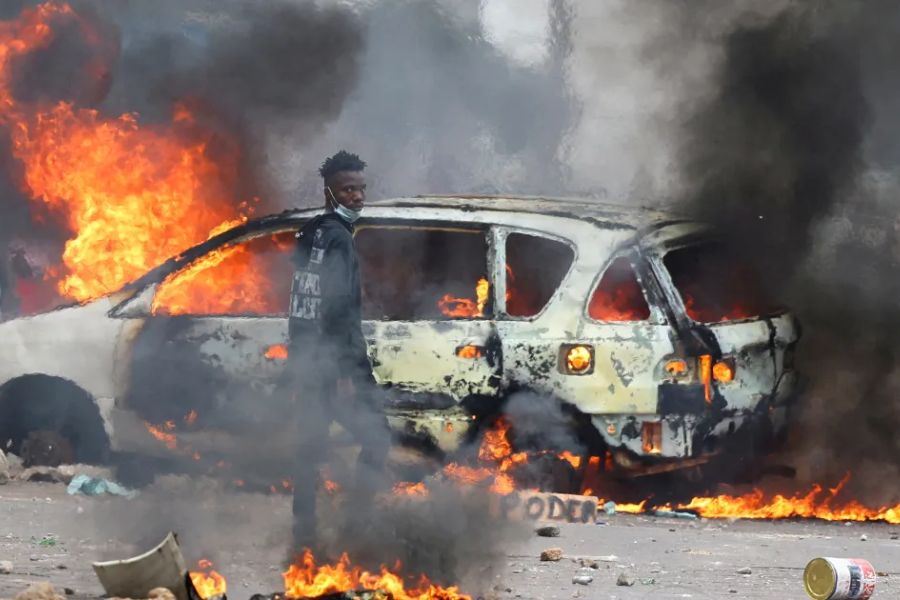
Politics on Fire: What Today’s Youth Think About the Current Matzav
Across the world, the political landscape is shifting — and it’s not quiet. Governments are being challenged, protests are erupting, and conversations once avoided at the dinner table are now trending topics online. But one voice rings louder than ever: the voice of the youth.
In this article, we break down how young people today view the current matzav — the situation in politics, leadership, and power. From London to Lahore, from campuses to TikTok feeds, the youth are not just watching the world burn; they’re asking who lit the match — and how to put it out.
The Rise of a Politically Aware Generation
This is not the 1990s. Youth today are more aware, more informed, and more connected than any generation before. Social media, 24/7 news cycles, and open access to global platforms have transformed them from passive observers into active participants.
Young people aren’t just reading headlines — they’re making them. Whether it’s student-led climate marches, Gen Z organizing protests on university campuses, or young digital creators using reels to break down complex issues, the political fire is burning bright among the youth.
In many countries, youth-driven movements have already made headlines. Think of the farmers’ protests in India, Black Lives Matter in the United States, or anti-corruption protests in Nigeria. These movements didn’t just involve young people — they were led by them.
What Fuels Their Anger?
1. Broken Promises
The most common complaint you’ll hear from youth about politics is this: promises are made, but never kept. Leaders talk about education reforms, job creation, and clean governance. But once elected, very little changes.
Many young voters feel disillusioned. They’ve grown up watching their parents struggle under poor policies, and they now face the same challenges — or worse. The cost of education is rising. The job market is competitive but unstable. Affordable housing seems like a myth. And mental health services, if mentioned at all, are often inaccessible or ignored.
2. Climate Crisis
If one issue unites global youth, it’s climate change. Young people understand they are inheriting a damaged planet. And they are furious that world leaders still prioritize short-term profit over long-term sustainability.
When governments ignore environmental warnings, young activists take to the streets. From Greta Thunberg’s solo protest to mass climate strikes in major cities, the message is clear: youth will not remain silent while the earth suffers.
3. Corruption and Injustice
Corruption is not just a political issue; for many young people, it’s a daily reality. Bribery in schools, favoritism in job hiring, or police harassment on the streets — these are real experiences.
The sense of injustice goes deeper when they see politicians living in luxury while citizens struggle. The gap between the powerful and the powerless has widened, and the younger generation is demanding accountability.
Digital Platforms: The New Political Arena
Politics has moved beyond Parliament. Today, much of the real political discussion is happening online — in Instagram stories, on X (formerly Twitter), through YouTube explainers, and even on Reddit threads.
Youth are using digital platforms not just for memes, but for meaningful conversations. A 60-second video can now educate millions about a law, a budget, or a scandal. Political influencers are emerging who speak directly to younger audiences, often explaining issues in raw, relatable language that traditional media avoids.
However, this shift comes with a warning. While digital platforms have given youth a voice, they’ve also opened the door to misinformation. Not everything viral is truthful. That’s why media literacy is becoming as essential as political education itself.
Global Examples: Youth vs. the System
Let’s look at a few real-world snapshots:
- In the UK, many young voters feel betrayed by the political handling of Brexit. Rising tuition fees, housing shortages, and poor healthcare responses during the pandemic have made trust in traditional parties fall sharply.
- In Pakistan, youth are questioning the role of the military in politics, calling out censorship, and rallying behind leaders who represent change, even if that means clashing with authorities.
- In Iran, young women led the fight for freedom after the death of Mahsa Amini. Their bravery inspired a wave of resistance that reached international attention.
- In the US, Gen Z voters were critical in pushing issues like abortion rights, gun control, and racial justice into national debates — and onto ballots.
The matzav isn’t the same everywhere, but the energy of youth fighting for justice is universal.
What the Youth Want
They want more than just slogans. Today’s youth want:
- Transparency: Clear answers, not political spin.
- Participation: A seat at the table, not just token gestures.
- Accountability: Leaders who are held responsible for their actions.
- Opportunity: Jobs, education, and mental health support.
- Respect: Acknowledgment that their opinions matter, even if they don’t have grey hair or decades in office.
They’re not afraid of change. They are the change.
The Generational Divide
Many older leaders underestimate the youth, assuming they’re too emotional, too impatient, or too inexperienced. But this is a mistake.
Today’s young people are growing up in a world that changes by the minute. They’ve learned to adapt, to question, and to act. They are not waiting their turn — they are taking it.
At the same time, not all youth are radical. Some seek reform, not revolution. They want to fix the system, not burn it down. The diversity of views among young people is vast, but one thing unites them: the desire for a better, fairer world.
Can the Political System Keep Up?
This is the real question. Political systems designed decades ago are now being challenged by digital tools, fast communication, and rising social consciousness. If they fail to evolve, they will become irrelevant.
Some governments are trying. Youth councils, digital town halls, and education reforms are good signs. But these efforts must go beyond surface-level tokenism. Real power must be shared — and that’s where resistance often comes in.
The system must ask itself: are we including the youth in shaping the matzav, or are we pushing them to fight it?
Final Thoughts: The Fire Isn’t Dying
Politics is on fire — and it’s not burning out anytime soon. Whether it’s frustration, hope, or the refusal to accept injustice, the flames are being fed by a generation that refuses to be quiet.
At matzav.co.uk, we believe in telling the full story. Not just what’s trending, but what’s transforming. Today’s youth are not the leaders of tomorrow — they are the drivers of today’s change.
They’re not asking for permission. They’re asking for results. And the world, whether ready or not, is listening.


